Only a select few people can move foreign-exchange markets with a handful of words. U.S. Treasury Secretary Steven Mnuchin and ECB President Mario Draghi are two of them. Thursday they clashed, and the ECB clearly has a fight on its hands.
from WSJ.com: Markets http://ift.tt/2EapgNM
via https://ifttt.com/ IFTTT
Thursday, 25 January 2018

Bond Investors Take Ever More Risk---With Ever Less Protection
As junk-bond issuance has surged in Asia, the quality of investor-protecting bond covenants has plunged.
from WSJ.com: Markets http://ift.tt/2Dyvg1F
via https://ifttt.com/ IFTTT
from WSJ.com: Markets http://ift.tt/2Dyvg1F
via https://ifttt.com/ IFTTT
Brazilian ex-president Lula’s corruption verdict does not end his career
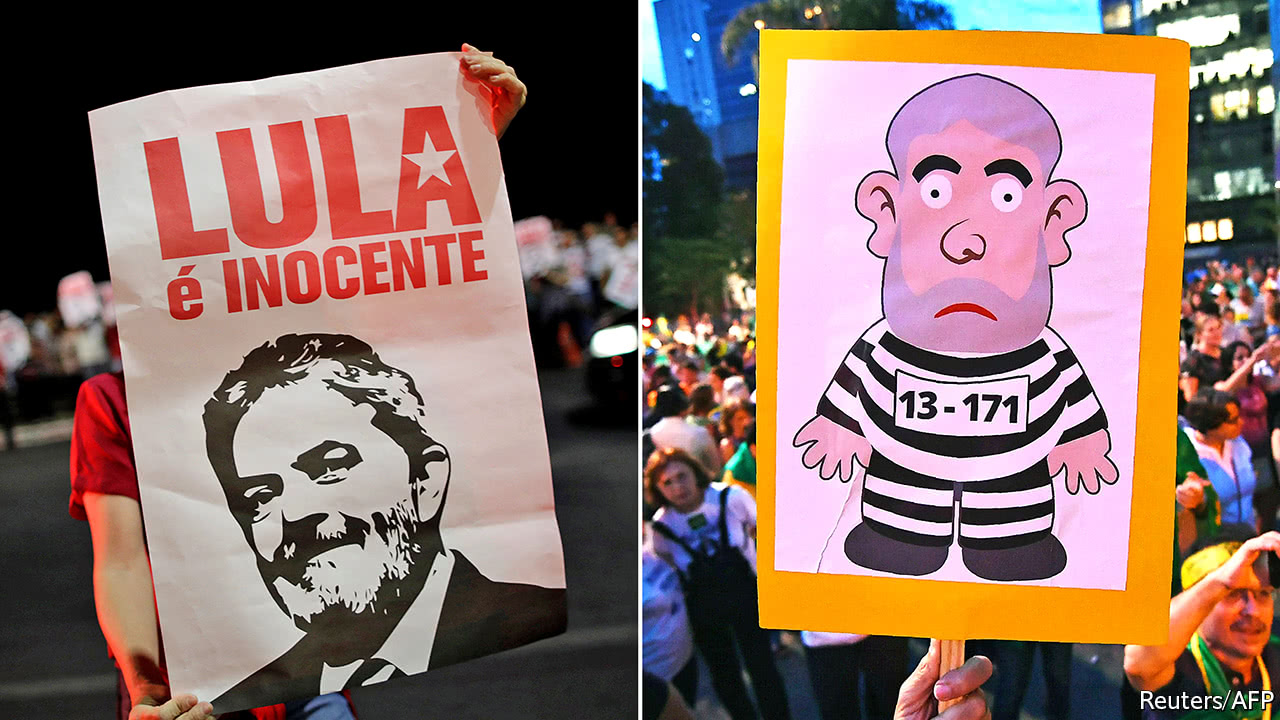
THE verdict was a bombshell but not a surprise. On January 24th, with police helicopters in the sky over Porto Alegre, a city in Brazil’s south, and snipers on rooftops, a three-judge panel at a federal court unanimously upheld the conviction of Luiz Inácio Lula da Silva, a former president, on charges of corruption and money-laundering. Awaiting the decision, thousands of his supporters camped less than a mile away. They were both angry and defiant. “It’s political persecution,” insisted Everaldo de Souza, a construction worker from the southern state of Santa Catarina.
The court’s decision has big implications for Brazil’s presidential election, to be held in October. Lula is the most popular potential candidate by far. A recent poll suggested that 36% of voters would back him, double the share who support his nearest rival, Jair Bolsonaro, a right-wing extremist. The confirmation of Lula’s guilty verdict will not deter him from running. Indeed, he was expected to announce his...Continue reading
from Americas http://ift.tt/2BsEj28
via https://ifttt.com/ IFTTT
Financial regulators too often think “this time is different”
FOR a phenomenon with such predictably bad outcomes, a financial boom is strangely seductive. Not a decade after the most serious financial crisis since the Depression, the world watches soaring markets with a mixture of serenity and glee. Natural impulses make finance a neck-snappingly volatile affair. Governments, though, deserve heaps of blame for policies that amplify both boom and bust. As regulators begin picking apart reforms only just enacted, it is worth asking why that is so.
Finance is hopelessly prone to wild cycles. When an economy is purring, profits go up, as do asset values. Rising asset prices flatter borrowers’ creditworthiness. When credit is easier to obtain, spending goes up and the boom intensifies. Eventually perceptions of risk shift, and tales of a “new normal” gain credence: new technologies mean profits can grow for ever, or financial innovation makes credit risk a thing of the past. But when the mood turns, the feedback loop reverses direction. As asset prices fall, banks grow stingier with their loans. Firms feel the pinch from falling sales, get behind on their debts and sack workers, who get behind on theirs. The desperate sell what they can, so asset prices tumble, worsening the crash. Mania turns to panic.
The pattern is an ancient one. In their book “This Time is Different”, Carmen Reinhart and Kenneth Rogoff,...Continue reading
from Economics http://ift.tt/2DAhdbT
via https://ifttt.com/ IFTTT
Morgan Stanley’s unexciting model takes the prize on Wall Street
MORGAN STANLEY emerged in 1935 out of a global financial disaster, as one of Wall Street’s leading firms. In a rare shred of consistency in America’s turbulent markets, history has repeated itself. But it was a close call. An ill-timed infatuation with debt ahead of the 2007-08 financial crisis threatened to add it to the industry’s towering funeral pyre, which consumed all its big competitors with the exception of Goldman Sachs.
Of the two, Morgan Stanley came out of the crisis the more tarnished, less for what it did than for what it was: less profitable; less connected, through its former employees, to political power; and less respected for having evaded disaster. But after the release of financial results from the fourth quarter of 2017, Morgan Stanley’s valuation has surpassed Goldman Sachs’s. This reflects not only the improvement in its profitability but also investors’ greater confidence in how it is managed.
Goldman, with some justice, finds the comparison unfair....Continue reading
from Economics http://ift.tt/2na64Iv
via https://ifttt.com/ IFTTT
How microcredit can help poor countries after natural disasters

BOTH, in different ways, worry about liquidity. And global warming may, indeed, be bringing meteorologists and financiers together. On January 18th, VisionFund, a microlending charity, and Global Parametrics, a venture that crunches climate and seismic data, launched what they billed as the “world’s largest non-governmental climate-insurance programme”. The scheme will offer microfinance to about 4m people across six countries in Asia and Africa affected by climate-change-related calamities.
Natural disasters are becoming more frequent and severe. They disproportionately affect poor countries, where many eke livings from vulnerable agricultural land. Yet it is often in the aftermath of disaster that credit is hardest to obtain. As non-performing loans rise and the perception of risk increases, microfinance institutions (MFIs) rein in lending; they receive little support from donors and relief programmes, which tend to favour humanitarian aid....Continue reading
from Economics http://ift.tt/2na6mPB
via https://ifttt.com/ IFTTT
Monetary policy suffers a shortage of central bankers
IN THEIR quest to stabilise the job market, central banks are setting a bad example. Jerome Powell, whom senators this week confirmed as the next chairman of America’s Federal Reserve, will lead an institution with three existing vacancies on its seven-member board, and a fourth that will open up imminently. Not since July 2013 has its rate-setting committee boasted the full complement of 12 voting members.
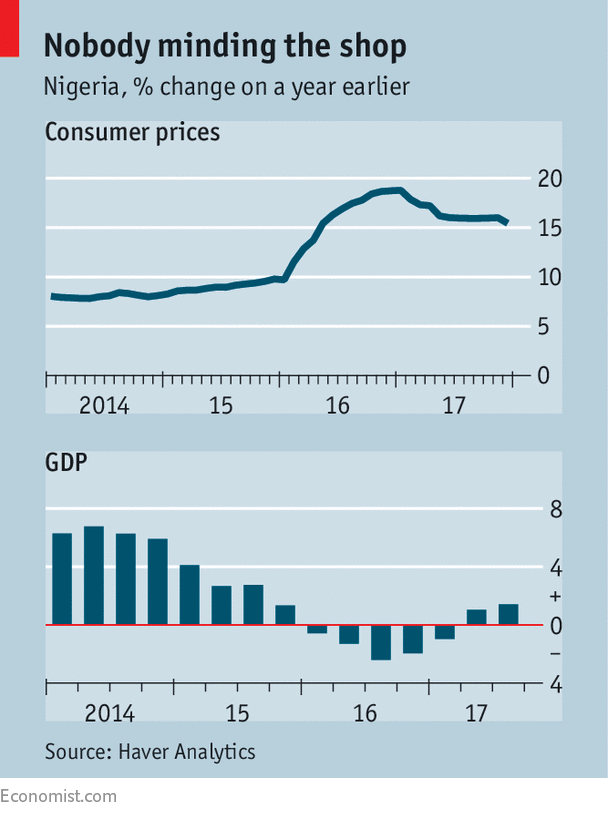
This monetary undermanning is, however, much worse in Nigeria. Its monetary-policy committee was unable to meet as scheduled on January 22nd-23rd because it lacked the six members necessary for a quorum. Five recent nominees still await confirmation by the country’s Senate. The chamber is holding up all but a few executive appointments in retaliation for President Muhammadu Buhari’s failure to remove an official (the acting anti-corruption tsar) whom the Senate twice rejected. In the absence of a monetary-policy meeting (and the lengthy communiqué that eventually follows it), the central bank...Continue reading
from Economics http://ift.tt/2Bt2Jsv
via https://ifttt.com/ IFTTT
Bangladesh experiments with a new approach to poverty alleviation
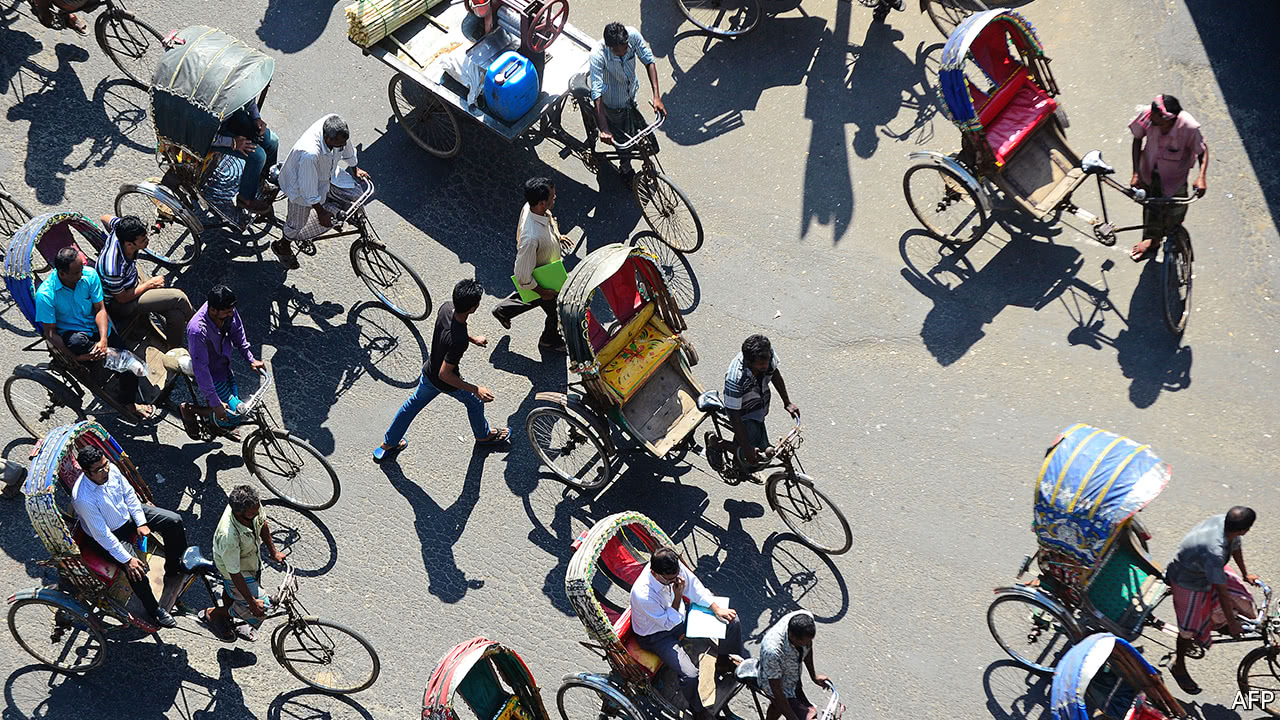
BESIDES shoes and shrimp, Bangladesh exports poverty cures. Microfinance was developed there in the late 1970s before spreading. In 2002 BRAC, a charity, started giving assets such as cows (and training in how to manage them) to desperately poor women. That approach has spread, too. The latest poverty remedy to emerge from Bangladesh is different: it targets men, and rather than trying to make people more productive in their villages, it encourages them to move.
In Rangpur, a northern district, agricultural labourers endure an annual hunger in the autumn, known as monga. The rice crop has been planted but is not ready to harvest, so work is scarce. Jobs abound in the cities, but poor farmers are loth to use their dwindling savings on a bus ticket. It is a good example of a poverty trap.
So, for the past ten years, researchers led by Mushfiq Mobarak, an economist at Yale University, have tried offering cash to poor households so long as somebody moves to a city to...Continue reading
from Economics http://ift.tt/2nayClf
via https://ifttt.com/ IFTTT
Market volatility has been low, encouraging risk-taking
MAY YOU live in boring times. Financial markets have become dull, if profitable. The S&P 500 index, America’s leading equity benchmark, has notched up its longest-ever streak without a 5% reversal. Bond yields may have inched up in recent months, but are still at the bottom of historical ranges. Institutions famed for their trading prowess, such as Goldman Sachs, have seen profits dented by the quiescence of the markets.
This lack of market volatility owes much to the steadiness of monetary policy since the depths of the financial crisis. Central banks have kept short-term rates low and have intervened to push down bond yields through their programmes of quantitative easing (QE). The classic method of pricing financial assets is to say they are worth the discounted value of future cashflows; since central banks have kept the discount rate steady, prices have been steady too.
The late Hyman Minsky, an economist, thought that long booms sowed the seeds of their own destruction. He argued that, when the economy was doing well, investors tended to take more risk (such as taking on more debt). These speculative positions are vulnerable to a shock, such as a sudden rise in interest rates, which can turn into a fully fledged crisis.
In these days of sophisticated markets, speculators are not restricted to their own capital or even to borrowed money to...Continue reading
from Economics http://ift.tt/2na6caX
via https://ifttt.com/ IFTTT
Activist Investors In It for the Long-Term---Just Kidding
Activist investors who broke up the $15 billion Clariant-Huntsman merger promised a long-term approach to creating value. Three months later, they’ve sold.
from WSJ.com: Markets http://ift.tt/2DEIKgA
via https://ifttt.com/ IFTTT
from WSJ.com: Markets http://ift.tt/2DEIKgA
via https://ifttt.com/ IFTTT
The Strong Case for Health-Care Spinoffs
Spinoffs and asset sales may benefit shareholders more than chasing growth in a frenzied health-care deals market
from WSJ.com: Markets http://ift.tt/2rBBNY3
via https://ifttt.com/ IFTTT
from WSJ.com: Markets http://ift.tt/2rBBNY3
via https://ifttt.com/ IFTTT
United May Drag Industry Into Price War
United Continental’s plans to increase capacity has investors worrying that airlines are losing their discipline.
from WSJ.com: Markets http://ift.tt/2BrJpvz
via https://ifttt.com/ IFTTT
from WSJ.com: Markets http://ift.tt/2BrJpvz
via https://ifttt.com/ IFTTT
Wednesday, 24 January 2018
GE Looks Ugly in Its Underwear
General Electric’s new transparency is welcome, but a focus on cash shows that the company is probably no bargain even after its swoon.
from WSJ.com: Markets http://ift.tt/2DxTHwc
via https://ifttt.com/ IFTTT
from WSJ.com: Markets http://ift.tt/2DxTHwc
via https://ifttt.com/ IFTTT
Little Reason to Watch Comcast and Verizon
For Verizon and Comcast, both of which reported fourth-quarter earnings this week, video-customer losses are getting worse as subscribers opt for streaming services like Netflix.
from WSJ.com: Markets http://ift.tt/2E7TLni
via https://ifttt.com/ IFTTT
from WSJ.com: Markets http://ift.tt/2E7TLni
via https://ifttt.com/ IFTTT
Asia is taking the lead in promoting free trade

THE obituary of the Trans-Pacific Partnership (TPP) was widely written when Donald Trump pulled America out of the 12-country free-trade deal on the third day of his presidency. Yet, a year later and against all the apparent odds, the pact lives on. On January 23rd its remaining 11 members met in Tokyo to thrash out the final details of pressing ahead regardless. The plan is to sign a final agreement in March, to come into force in 2019. It will be one of the world’s most exacting trade pacts, measured by openness to investment from other members, the protection of patents and environmental safeguards.
The pact’s resurrection is one of the more unlikely events in a year of surprises. After all, America accounted for almost two-thirds of the original bloc’s $28trn in annual output. Access to the vast American market was what made other members readier to open up their own. Moreover, Mr Trump’s retreat had sent a dismal message about the prospects of the open, rules-based order...Continue reading
from Asia http://ift.tt/2DwbsvQ
via https://ifttt.com/ IFTTT
Investors Pile Into World's Only Listed Ride-Hailing Company
Stock investors can’t invest in Uber, but they can invest in Nasdaq-listed Yandex, owner of Russia’s top ride-hailing platform. The terrain up for grabs is vast, the potholes legion.
from WSJ.com: Markets http://ift.tt/2DuHiJj
via https://ifttt.com/ IFTTT
from WSJ.com: Markets http://ift.tt/2DuHiJj
via https://ifttt.com/ IFTTT
What to Do When Europe's Boom Comes Off the Boil
Europe’s economy has started 2018 in near-record-breaking fashion. That is clearly good news, but markets need to prepare for the inevitable pullback.
from WSJ.com: Markets http://ift.tt/2E5HW1c
via https://ifttt.com/ IFTTT
from WSJ.com: Markets http://ift.tt/2E5HW1c
via https://ifttt.com/ IFTTT
Activision's Early eSports Payoff
Esports is a big opportunity for the videogame publisher, but much is already priced in.
from WSJ.com: Markets http://ift.tt/2DzQuwd
via https://ifttt.com/ IFTTT
from WSJ.com: Markets http://ift.tt/2DzQuwd
via https://ifttt.com/ IFTTT
The buck drops here
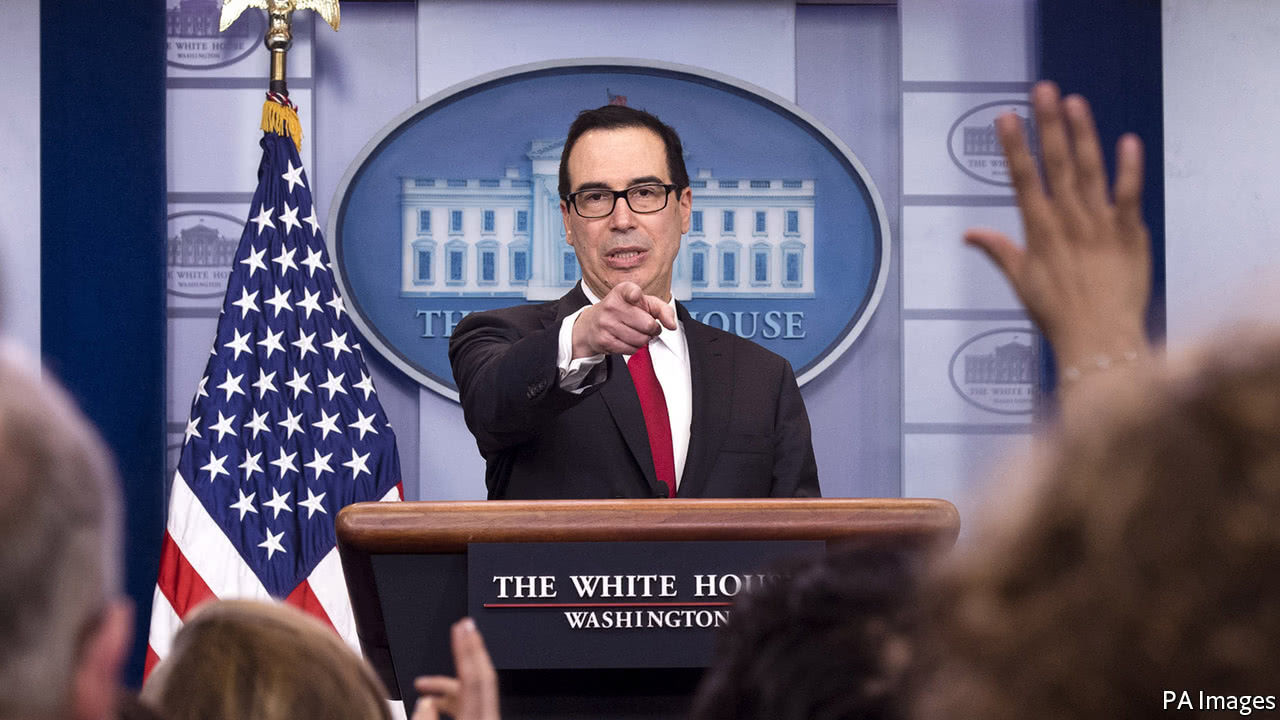
THERE may have been a "Trump bump" in the stockmarket but the opposite has been true in currency markets. The dollar has steadily weakened and the administration does not seem too concerned about it. Steven Mnuchin, the Treasury secretary, said this week that
Obviously a weaker dollar is good for us as it relates to trade and opportunities
He qualified his remarks by saying a strong dollar reflects a strong US economy. Leaving aside his clear confusion (so does the dollar's weakness mean the US economy is weak?), it is rare for any Treasury secretary to welcome a fall in the greenback.
Paul O'Neill, who held the position under George W Bush, declared that
I believe in a strong dollar, and if I decide to to shift that stance I will hire out the Yankee Stadium and some rousing brass bands, and announce that change in policy to the whole world.
There are many reasons why politicians like to speak about a strong dollar. A decline in the currency tends to push up import...Continue reading
from Economics http://ift.tt/2E3uJFW
via https://ifttt.com/ IFTTT
Foreign Retailers in China Find a Buyer Just in Time
Tencent’s potential investment in Carrefour is the latest example of a Chinese tech giant putting money into a brick-and-mortar retailer.
from WSJ.com: Markets http://ift.tt/2DH2BLg
via https://ifttt.com/ IFTTT
from WSJ.com: Markets http://ift.tt/2DH2BLg
via https://ifttt.com/ IFTTT
Tuesday, 23 January 2018
Consumer Brands Can't Cut Their Way to Growth
Procter & Gamble and Kimberly-Clark are under pressure to invest in expansion.
from WSJ.com: Markets http://ift.tt/2GcaXc3
via https://ifttt.com/ IFTTT
from WSJ.com: Markets http://ift.tt/2GcaXc3
via https://ifttt.com/ IFTTT
Donald Trump’s travel ban heads back to the Supreme Court
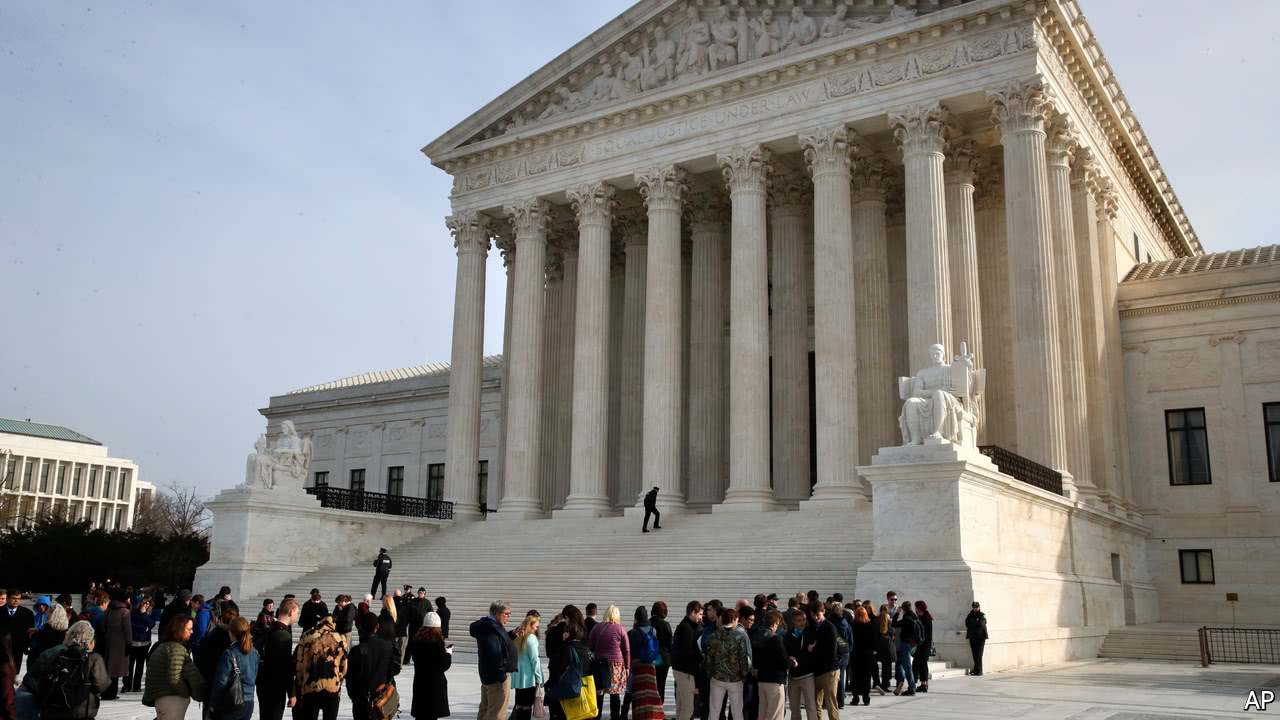
ON JANUARY 19th, almost a year after Donald Trump issued his ham-handed initial ban on travel from Muslim countries, the Supreme Court agreed to resolve a challenge to a third, more refined version of that order. The case, Trump v. Hawaii, arises from the Ninth Circuit Court of Appeals, an unfriendly audience for several of Mr Trump’s travel restrictions. (A ruling from the Fourth Circuit Court of Appeals in Trump v International Refugee Assistance Project, a similar challenge, is still pending.) The justices have managed to stay mostly on the sidelines of the legal wrangling over Mr Trump’s campaign promise to protect America from terrorism by roping out certain foreigners, but the highest court in the land will now weigh in directly.
The latest version of the travel ban is a few steps removed from the president's campaign-trail call in December 2015 for “a total and complete shutdown of Muslims entering the United States until our country's representatives can figure out what is going on”. The first, hastily...Continue reading
from United States http://ift.tt/2F8qQyL
via https://ifttt.com/ IFTTT
Argentina’s gamble on economic gradualism is working, so far
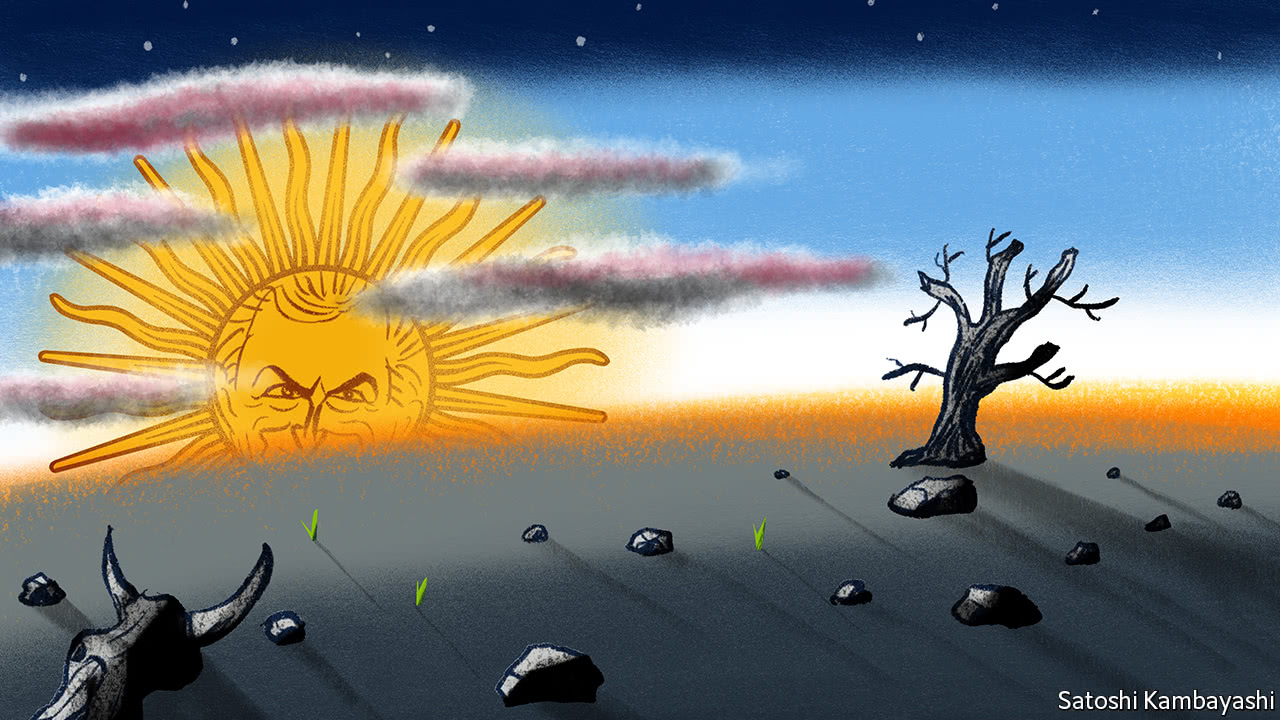
AT THE height of summer, workers bundled up in blue snowsuits are hauling boxes of ice lollies in and out of freezers at a small factory near Buenos Aires, Argentina’s capital. The lolly-maker, Guapaletas (“pretty popsicles”), is almost exactly the same age as the business-friendly government of Argentina’s president, Mauricio Macri, who was elected in 2015. His victory was a “relief” for the company’s founders, says Federico Manzuoli, who is one of them. On a visit to the factory last March, Mr Macri praised its franchise business model and its pistachio-flavoured lollies.
Mr Manzuoli has much to be grateful for. Mr Macri promised to open up Argentina’s isolated economy and end controls imposed by his populist predecessors, Cristina Fernández de Kirchner and her husband, Néstor Kirchner, who governed for nearly 13 years between them. Under Mr Macri, Guapaletas has better access to credit, says Mr Manzuoli. A new online platform, Export Easy, makes it simpler to get...Continue reading
from Americas http://ift.tt/2Di8s6c
via https://ifttt.com/ IFTTT
Why armed intervention in Venezuela is a bad idea

WHAT should be done when a regime remains in power by dictatorial means while pitching its people into penury? That is the question that Venezuela’s opposition has been grappling with since it won a legislative election in 2015, only to see Nicolás Maduro’s government use its puppet courts to strip power from the legitimate parliament.
The opposition has tried two strategies. One was sustained protest. That was met with violence: about 120 people died in protests last year, many at the hands of the security forces. Despite the protests, Mr Maduro created a new, hand-picked assembly to replace the parliament. (The opposition boycotted a vote in July that was intended to give this new body a figleaf of respectability.)
The second track has been to try to negotiate with the regime for a free and fair presidential election due later this year. In theory the two strategies are not incompatible, but in practice pursuit of both has divided the opposition (which has paid a high price for...Continue reading
from Americas http://ift.tt/2DOnykM
via https://ifttt.com/ IFTTT
A macabre Mexican radio show goes off the air

AS MIDNIGHT neared, five nights a week Mexicans with a taste for the macabre would switch on their radios to hear the latest spooky story, called in by their fellow listeners. There was the tale of the bloodied boots, which kept reappearing in a family’s basement, driving the wife to seek psychiatric treatment. Once, the station that carried the show, XEDF-FM, mysteriously went off the air during a devil-worshipper’s phone-in. Most famous of all was the story told by Josué Velázquez, who said he had suffocated his grandmother to keep his end of a bargain with the devil (doctors said she had died of natural causes). Juan Ramón Sáenz, the best-known host of “La Mano Peluda” (“The Hairy Hand”), listened with apparent credulity to about half the yarns broadcast over its 22-year history; some were chillingly believable.
The show had a cult following, especially among late-shift workers and nocturnal...Continue reading
from Americas http://ift.tt/2DL4eFh
via https://ifttt.com/ IFTTT
Fox-Sky Rejection Clears Path for Murdoch and Disney
The U.K.’s provisional move to block 21st Century Fox’s $15.5 billion bid for Sky is hardly a death sentence.
from WSJ.com: Markets http://ift.tt/2Dt8JmQ
via https://ifttt.com/ IFTTT
from WSJ.com: Markets http://ift.tt/2Dt8JmQ
via https://ifttt.com/ IFTTT
How Central Banks Doing Nothing Can Still Move Markets
The Bank of Japan stuck to its policy guns Tuesday. The European Central Bank is likely to do the same on Thursday. But even a lack of immediate action can’t stop market perceptions of shifting.
from WSJ.com: Markets http://ift.tt/2E3QrJS
via https://ifttt.com/ IFTTT
from WSJ.com: Markets http://ift.tt/2E3QrJS
via https://ifttt.com/ IFTTT
No Trade War With China---Yet
Solar and washing-machine tariffs won’t ignite a trade war. Broader action on intellectual property might.
from WSJ.com: Markets http://ift.tt/2DuiXTW
via https://ifttt.com/ IFTTT
from WSJ.com: Markets http://ift.tt/2DuiXTW
via https://ifttt.com/ IFTTT
A bitter rivalry between Arab states is spilling into Africa

THE rivalry between Saudi Arabia and the United Arab Emirates (UAE) on one side and the Gulf state of Qatar on the other is spilling poison into the Horn of Africa, embittering animosities between half a dozen countries in the region. Several of them have seized an opportunity to benefit from instability in the Arabian peninsula by offering bases. But if Arab conflicts spread, countries in the Horn could be dragged into the fray.
Broadly speaking, the regional imbroglio pits two camps of Muslims. One is a more vigorously Islamist lot, including Qatar and Turkey, which have been friendly towards the Muslim Brotherhood, an Islamist movement spanning many countries, and seek better relations with Iran. The other is an alliance led by Saudi Arabia, the UAE and Egypt, whose governments all loathe the Brothers and proclaim themselves as moderate Sunnis particularly hostile to the Shia version of Islam promoted by Iran.
But peripheral countries are being affected, too. According to...Continue reading
from Middle East and Africa http://ift.tt/2DsBFLD
via https://ifttt.com/ IFTTT
An army of worms is invading Africa

AFRICA has been invaded on quiet wings. First they landed by ship in the west. Then they spread across the continent, wreaking havoc as they went. Now, two years later, the invaders are worrying officials in almost every sub-Saharan country. It’s not the French, British or even the Chinese. This time it’s a simple American moth, the voracious fall armyworm, that has marched through Africa’s fields and is threatening to cause a food crisis.
When just a hungry caterpillar, the fall armyworm will happily munch on more than 80 plant species. But its favourite is maize—the staple for more than 200m sub-Saharan Africans. The UN’s Food and Agriculture Organisation (FAO) estimates that sub-Saharan Africa has about 35m hectares of maize grown by smallholders, and that almost all of it is now infested or at risk of infestation.
If the pest is not controlled, it could gobble up as much as 20% of the region’s total maize...Continue reading
from Middle East and Africa http://ift.tt/2E2hUvI
via https://ifttt.com/ IFTTT
The regime in Syria is closing in on a rebel stronghold
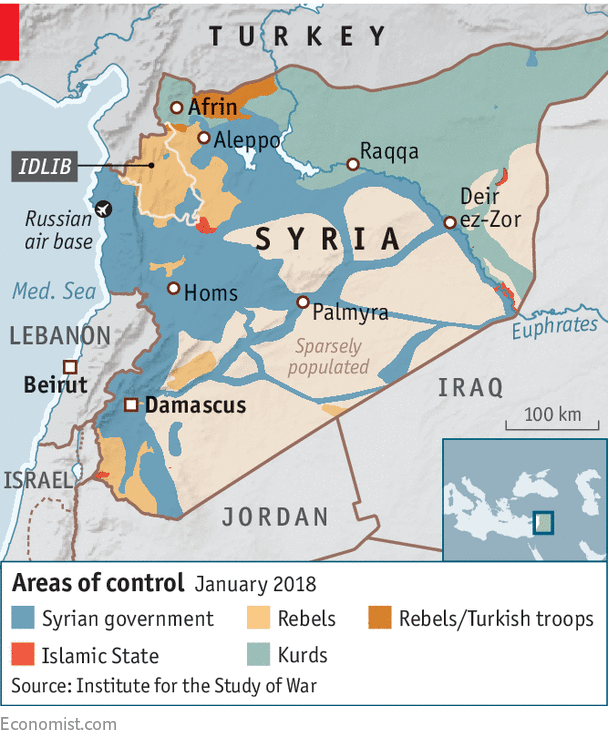
IN THE spring of 2015 the rebel takeover of Idlib province in north-western Syria seemed to signal the beginning of the end for President Bashar al-Assad. Yet Idlib’s fall may have saved him. Fearful of losing his close ally, Russia’s president, Vladimir Putin, decided to join the fray. Within months of Idlib’s capture, Russian aircraft were battering rebel lines.
Russia’s entry into the war proved a turning-point. Forces loyal to Mr Assad have since beaten back the rebels on every front, boxing them into ever-shrinking pockets of territory. In December Mr Assad’s men turned their guns on Idlib, the last province under complete rebel control. It may now provide the backdrop for the end of the uprising.
For a time it had seemed as if Idlib, a province of 2.6m people, might escape the fighting. It is dominated by rebels, including Hayat Tahrir al-Sham (HTS), a group linked to al-Qaeda. But a ceasefire hashed out in September between Turkey, which has backed the rebellion, and the...Continue reading
from Middle East and Africa http://ift.tt/2DtYNcI
via https://ifttt.com/ IFTTT
Israel’s capital is badly run and out of cash
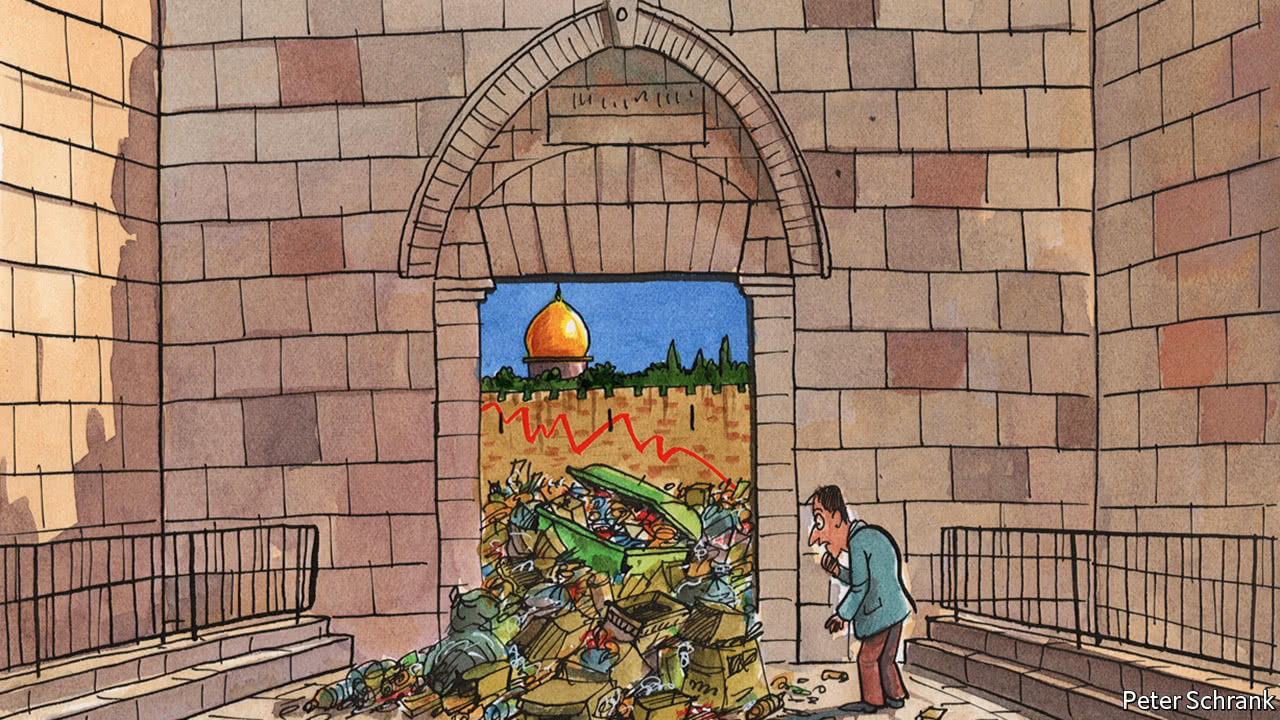
EARLIER this year residents of Jerusalem woke up to find piles of rubbish strewn across roads, markets and other public spaces. Municipal workers striking against job cuts announced by the city had not simply stopped collecting refuse; they dumped lorry-loads of it.
Jerusalem has attracted a lot of attention since President Donald Trump announced in December that America would recognise it as Israel’s capital and move its embassy there. Yet for all the fuss over the holy city’s international status, its management and finances are a mess. Its streets are often filthy (even when city workers are not striking) and its pavements are crumbling—visible indicators that it spends a quarter less per person on services for residents than Israel’s other large cities.
Over the past four years the central government has tripled its grants to Jerusalem. This year it proposes to give the city 800m shekels ($233m)—14% of its operating budget. But its mayor, Nir Barkat, wants 1bn...Continue reading
from Middle East and Africa http://ift.tt/2DZXeo4
via https://ifttt.com/ IFTTT
Tunisians are losing faith in the ballot box

DESPITE his best efforts, when President Beji Caid Essebsi visited Ettadhamen (“solidarity”) on January 14th, he did not engender much harmony. Protests had broken out a week earlier across Tunisia, many of them in places like Ettadhamen, a working-class suburb of Tunis, the capital. Though peaceful during the day, they turned ugly at night, with rioters burning police stations and trashing a supermarket. Hours after Mr Essebsi left Ettadhamen, riots erupted yet again, leaving the streets dotted with spent tear-gas canisters.
The unrest was sparked by a package of tax increases, affecting dozens of consumer goods, that took effect on January 1st. Fuel prices, which are heavily subsidised, were also raised. The government argues that it needs to shrink the budget deficit of 6% of GDP, and that many of the austerity measures are aimed at the rich—wine prices, for example, rose sharply. But so did the prices of basic necessities, such as bread and phone cards.
Hoping to head off...Continue reading
from Middle East and Africa http://ift.tt/2Ds4qZa
via https://ifttt.com/ IFTTT
In South Africa, more people have loans than jobs
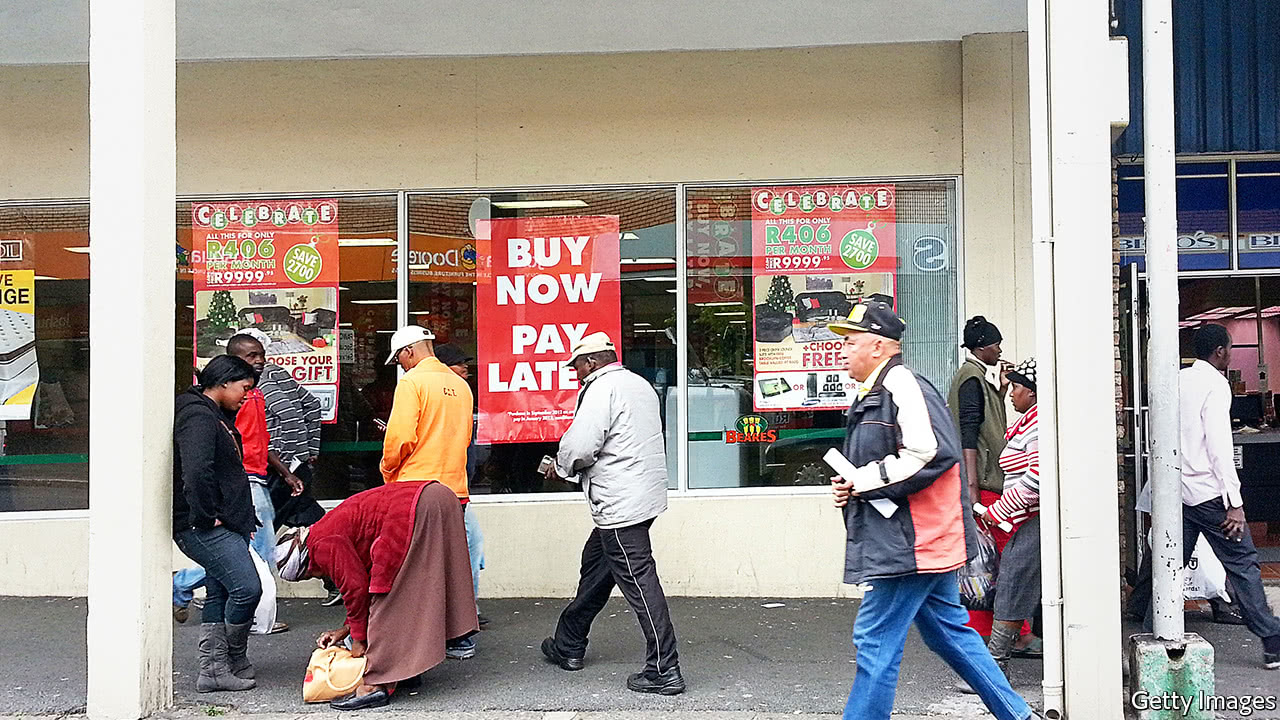
SOUTH AFRICANS have dubbed this month “Janu-worry”. After Christmas and the summer holidays come the bills. A popular classified-advertising website is full of pleas for help. “Mashonisa [loan shark] urgently needed,” says a typical post. “No scammers.” Radio call-in shows offer catharsis and survival tips.
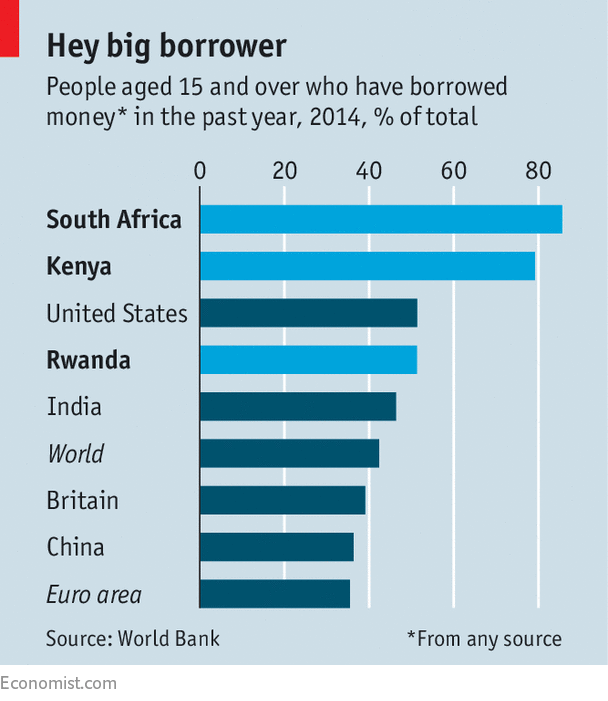
The rest of the year is tough on pocketbooks too. South Africans are the world’s most avid borrowers, according to the World Bank. A study published in 2014 showed that 86% had borrowed money in the previous year (see chart).
Most borrow...Continue reading
from Middle East and Africa http://ift.tt/2DZH5Po
via https://ifttt.com/ IFTTT
Outsourcers Still Susceptible to Changes in the Political Weather
Shares in big Indian outsourcing firms like Infosys have been on a roll. The ongoing immigration debate in the U.S. is a looming cloud.
from WSJ.com: Markets http://ift.tt/2rvJ9fx
via https://ifttt.com/ IFTTT
from WSJ.com: Markets http://ift.tt/2rvJ9fx
via https://ifttt.com/ IFTTT
Netflix Says Catch Me if You Can
Netflix has set a new subscriber record, with growing viewers in global markets.
from WSJ.com: Markets http://ift.tt/2G85CCw
via https://ifttt.com/ IFTTT
from WSJ.com: Markets http://ift.tt/2G85CCw
via https://ifttt.com/ IFTTT
Monday, 22 January 2018
The Senate votes to reopen the federal government

AMERICA’S first government shutdown in more than four years looks likely to end only three days after it began. Over the weekend of January 20th and 21st, the two parties seemed to be digging in. But by 1pm on Monday, January 22nd the Senate voted 81-18 to end the shutdown and back a bill to fund the government until February 8th. Paul Ryan, the House speaker, said his caucus would pass the bill quickly. Government shutdowns are costly and embarrassing; on the Senate floor during the vote there were a lot of smiles. They may not be there long. For now the worst has been averted, but the disagreement that precipitated the shutdown is starker than ever.
And now it has an added layer of procedural uncertainty. In exchange for voting to reopen the government, Democrats wrung a promise from Mitch McConnell, the Senate majority leader, to bring a legislative fix for DACA (Deferred Action for Childhood Arrivals)—an Obama-era executive action that shielded hundreds of thousands of undocumented immigrants brought to America as children from...Continue reading
from United States http://ift.tt/2Bl9OLJ
via https://ifttt.com/ IFTTT
Is Growth Worth the Risk at AIG?
AIG has to fix its core business and is paying up in deal, but the insurer could benefit from diversification and growth.
from WSJ.com: Markets http://ift.tt/2DAisuV
via https://ifttt.com/ IFTTT
from WSJ.com: Markets http://ift.tt/2DAisuV
via https://ifttt.com/ IFTTT
High Prices Won't Deter Biotech Deals
Expect more expensive biotech acquisitions after two high-priced deals were announced Monday.
from WSJ.com: Markets http://ift.tt/2G6FVT0
via https://ifttt.com/ IFTTT
from WSJ.com: Markets http://ift.tt/2G6FVT0
via https://ifttt.com/ IFTTT
Cartier-Owner Richemont Bets Big on Online Bling
Would you buy a $100,000 watch online? Richemont wants to buy out its fellow shareholders in Yoox Net-a-Porter, because for more people, the answer is yes.
from WSJ.com: Markets http://ift.tt/2F56XZM
via https://ifttt.com/ IFTTT
from WSJ.com: Markets http://ift.tt/2F56XZM
via https://ifttt.com/ IFTTT
UBS Catching Up to American Rivals With Buyback
UBS had more of a near-death experience than some. As a result, it has returned to health much more rapidly. Shareholders are benefiting with a big new buyback program.
from WSJ.com: Markets http://ift.tt/2DzsQmF
via https://ifttt.com/ IFTTT
from WSJ.com: Markets http://ift.tt/2DzsQmF
via https://ifttt.com/ IFTTT
Repression in Kyrgyzstan is eroding Central Asia’s only democracy
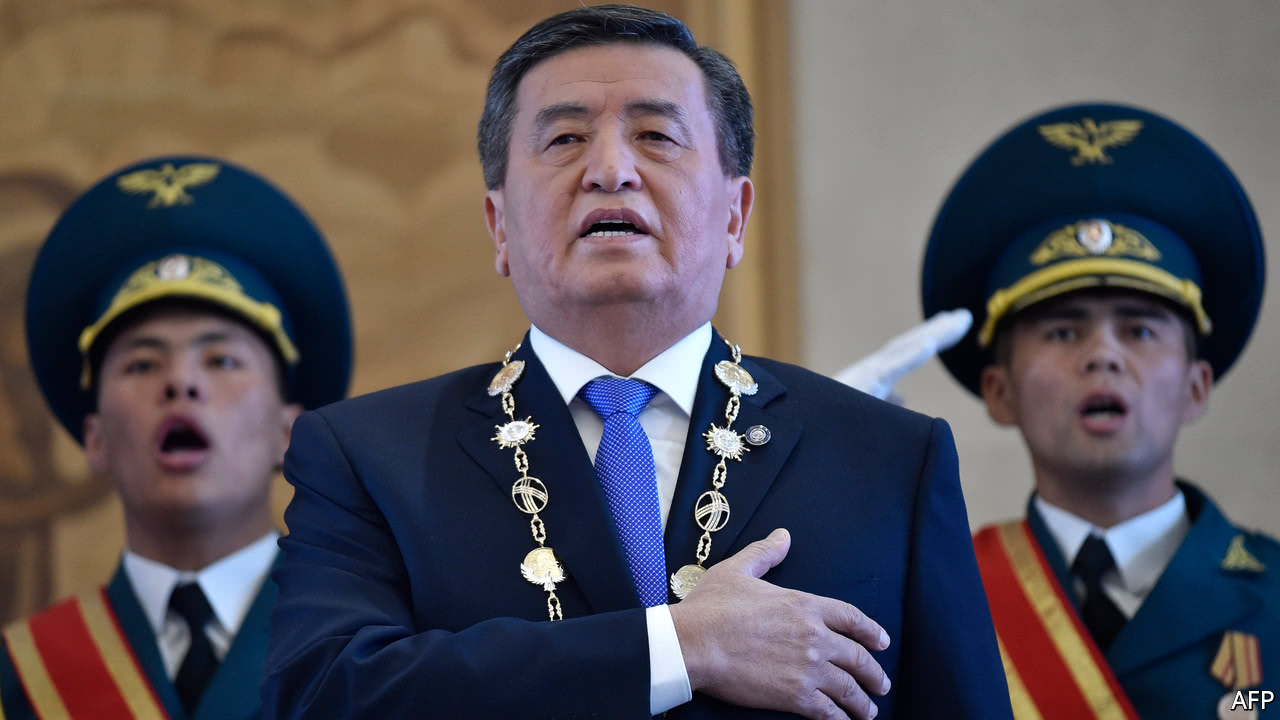
TINY and turbulent, Kyrgyzstan likes to tout itself as a trailblazer for democracy in Central Asia, a region otherwise presided over by autocrats. The former Soviet republic of 6m has “proven to the world that it is a democratic country”, its new president, Sooronbay Jeyenbekov (pictured), trumpeted triumphantly as he was sworn into office in November. But the unusually competitive election that brought him to power may have been less an affirmation of democracy than its last gasp.
Mr Jeyenbekov was making history. In the 26 years since the collapse of the Soviet Union, his election marked Central Asia’s first peaceful handover of power from one democratically elected leader to another. But the election was flawed. Mr Jeyenbekov, a dour 59-year-old, has admitted that it was marred by vote-buying. International observers were also troubled by media bias and the strong-arming of civil servants to vote for Mr Jeyenbekov, who was prime minister at the time and had been endorsed by the...Continue reading
from Asia http://ift.tt/2rrVGk5
via https://ifttt.com/ IFTTT
Despite diplomatic rows, Japan and South Korea are growing closer

YU MYUNG-SU and his friends have been fans of Japanese culture for as long as he can remember. The 24-year-old South Korean spent years watching Japanese cartoons, films and dramas before moving last year to the southern Japanese island of Kyushu. There he has discovered new charms. “Japanese service culture is really the best,” he says.
Mr Yu’s enthusiasm is reciprocated by young Japanese; many are into K-pop, for example. BTS, a South Korean boyband of seven mop-tops of varying degrees of bleaching, who re-record all their tracks in Japanese, was the highest-selling foreign act in Japan last year. (The acronym stands for the Korean for “Bulletproof Boy Scouts”). Japanese fans snapped up 270,000 copies of one of its offerings in just one day. Meanwhile, sparse, noir-ish detective novels by Keigo Higashino, a Japanese crime writer, accounted for three of the ten best-selling works of fiction in...Continue reading
from Asia http://ift.tt/2G5XJxy
via https://ifttt.com/ IFTTT
Thailand’s heartland is surprisingly keen on the military junta

“WE vote for policies, not for a party,” declares Jutamas Kamsomsri, a housewife in a farming family in the village of Nakam. “We aren’t stupid, we watch the news on Facebook,” the bespectacled matriarch adds. This in itself may be news to those who assume that voters in Isaan, a poor region in north-east Thailand that is home to roughly a third of the country’s 69m people, are blindly loyal to Thaksin Shinawatra, a former prime minister deposed in a coup in 2006, and to his sister Yingluck Shinawatra, who ran the country for almost three years until another coup ousted her in 2014.
Parties associated with the family have won every election since 2001, thanks to votes from Thailand’s north and north-east. Their supporters call themselves “red shirts” and are stalwarts of the Shinawatras’ current political vehicle, the Pheu Thai party (PT). Given that history, however, Isaan’s farmers are surprisingly ambivalent about how they will vote if the military regime allows...Continue reading
from Asia http://ift.tt/2rrVEbX
via https://ifttt.com/ IFTTT
Judges on India’s supreme court accuse the chief justice of bias

FOR the biggest constitutional crisis in a generation, as some have labelled the drama currently roiling India’s courts, the setting and the action proved disingenuously genteel. On January 12th four Supreme Court judges hosted an impromptu tea on the lawn of a grace-and-favour bungalow off a tree-lined New Delhi avenue. Enthroned in plastic chairs, the solemn judges revealed to puzzled reporters that two months earlier they had addressed a letter to India’s chief justice. Having received no satisfactory answer, they would now make its contents public.
In the manner of India’s often prolix court rulings, their text meandered before reaching its point: “There have been instances where cases having far-reaching consequences for the nation and the institution have been assigned by the chief justices of this court selectively to the benches ‘of their preference’ without any rational basis for such assignment.” In short, the frumpish...Continue reading
from Asia http://ift.tt/2G74wXU
via https://ifttt.com/ IFTTT
Chinese Banks' Sudden Strategy Shift Isn't Risk-Free
China’s sagging Ping An Bank, a subsidiary of the insurance giant of the same name, has made an aggressive foray into retail lending. This may not be the answer to its problems.
from WSJ.com: Markets http://ift.tt/2mZU0d5
via https://ifttt.com/ IFTTT
from WSJ.com: Markets http://ift.tt/2mZU0d5
via https://ifttt.com/ IFTTT
What Facebook's Feed Changes Mean for the News
Publishers would be wise to reduce their dependency on Facebook as it gets ready to tweak its algorithm.
from WSJ.com: Markets http://ift.tt/2rzu5h9
via https://ifttt.com/ IFTTT
from WSJ.com: Markets http://ift.tt/2rzu5h9
via https://ifttt.com/ IFTTT
Subscribe to:
Posts (Atom)